Free Dialysis Health Program
15-10-2024Aurangabad
Event Details
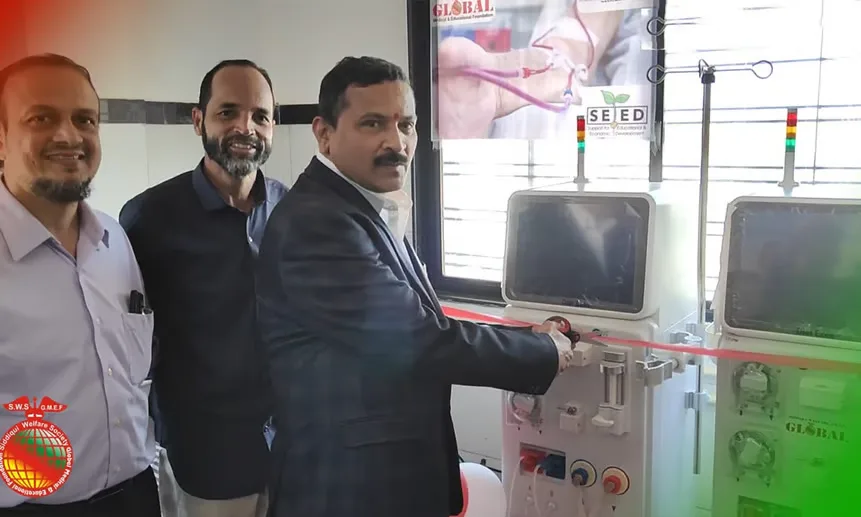
Introduction: Siddiqui Welfare Society has been instrumental in addressing the healthcare needs of underprivileged communities, particularly individuals suffering from kidney diseases. Through its commendable initiative of providing free dialysis, the organization has significantly enhanced the accessibility of life-saving treatment for those who are unable to afford it. One of the pivotal aspects of this program is the installation of dialysis machines in various hospitals, making this essential medical service available at no cost to those in need.
Addressing Healthcare Disparities: In many parts of the world, access to dialysis treatment remains a challenge for economically disadvantaged individuals. Siddiqui Welfare Society has taken a proactive approach to bridge this gap by establishing a network of free dialysis centers. This initiative has not only saved lives but has also alleviated the financial burden on the underprivileged, offering them a chance for a healthier and more productive life.
Quality Care for All: The provision of free dialysis services demonstrates the organization's commitment to ensuring that individuals from all walks of life receive high-quality medical care, irrespective of their financial standing. By installing dialysis machines in various hospitals, the NGO has extended the reach of this critical treatment, thereby positively impacting the lives of countless individuals and their families.
Empowering Communities: The impact of Siddiqui Welfare Society's free dialysis program extends beyond the realm of healthcare. By enabling equitable access to this vital service, the organization has empowered underprivileged communities, offering them hope and a renewed sense of well-being. The program not only saves lives but also fosters a sense of solidarity and compassion within society.
Promoting Preventive Healthcare: While the focus of the program is primarily on life-saving dialysis treatment, Siddiqui Welfare Society also conducts awareness campaigns on kidney health, early detection of renal disorders, and healthy lifestyle choices. This proactive approach ensures that communities are educated on preventive measures, reducing the risk of kidney-related ailments in the long term.